What does it take to collaborate when you don’t share a workplace, a time zone, or even a profession? What makes it possible for shared leadership to work when the moment calls for it?
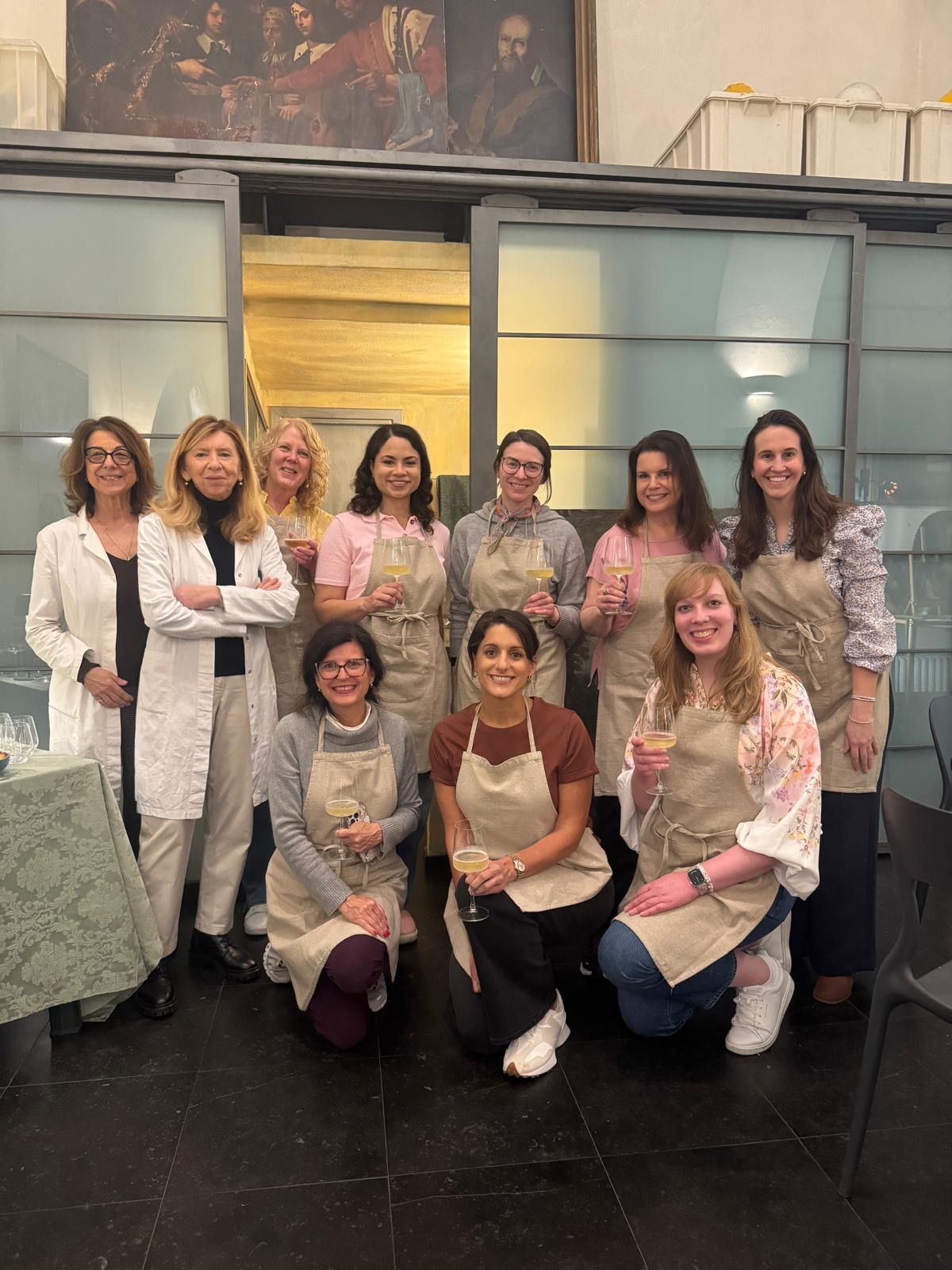
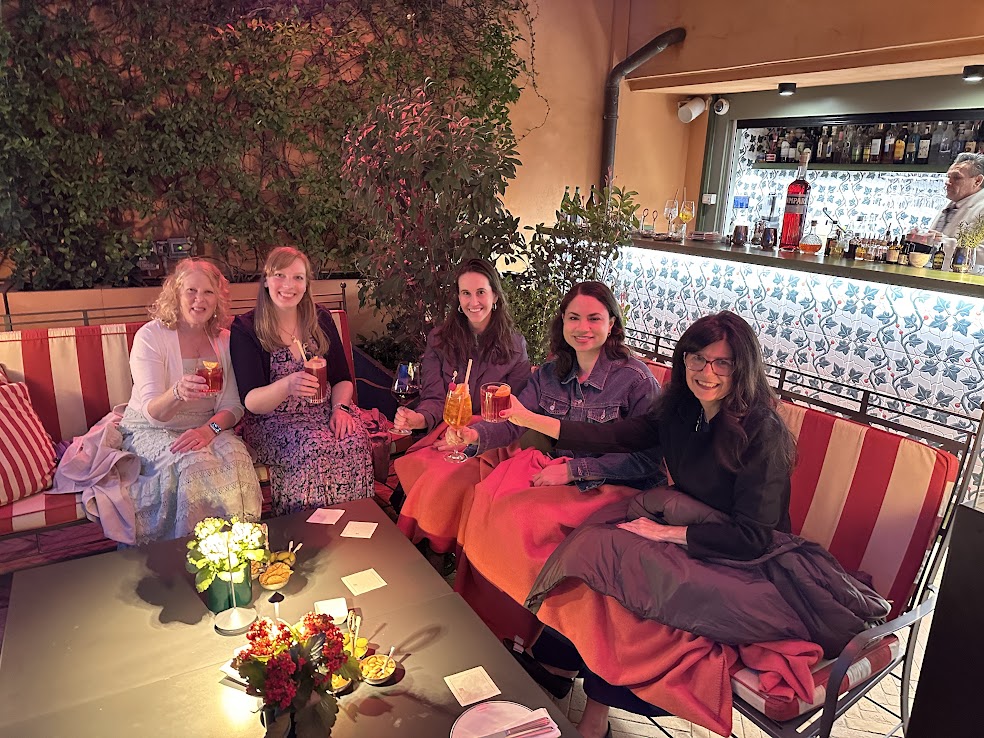
We’ll spend a long weekend in Rome with those questions. We’ll see how art restorers bring different kinds of expertise to a single work, walk through the Roman Forum with a historian, and talk about the connections we make to our own careers over dinner. Professor Leslie DeChurch and Anne Marie Adams lead the program, with conversations over breakfast and on the roof terrace at Hotel de la Ville.
“The days follow each other in gentle variety, each one leaving me a little more Roman than before.”
—Henry James, letter to his mother
I’ve been in love with ancient Rome since high school Latin. I loved the roads, the houses built around open-air atria, and the fact that the Romans looked at Zeus and decided to call him Jupiter. Years later, while studying how NASA teams work together, I found myself thinking about Rome with a question I never would have thought to ask in Latin class: How do you share power collaboratively with someone who’s every bit as convinced as you are that they should be in charge?
By then I’d fallen under the spell of Renaissance Florence, too. The Florentines looked back at Rome and saw something they could build on. I love that we can still follow that conversation between the two cities, centuries later.
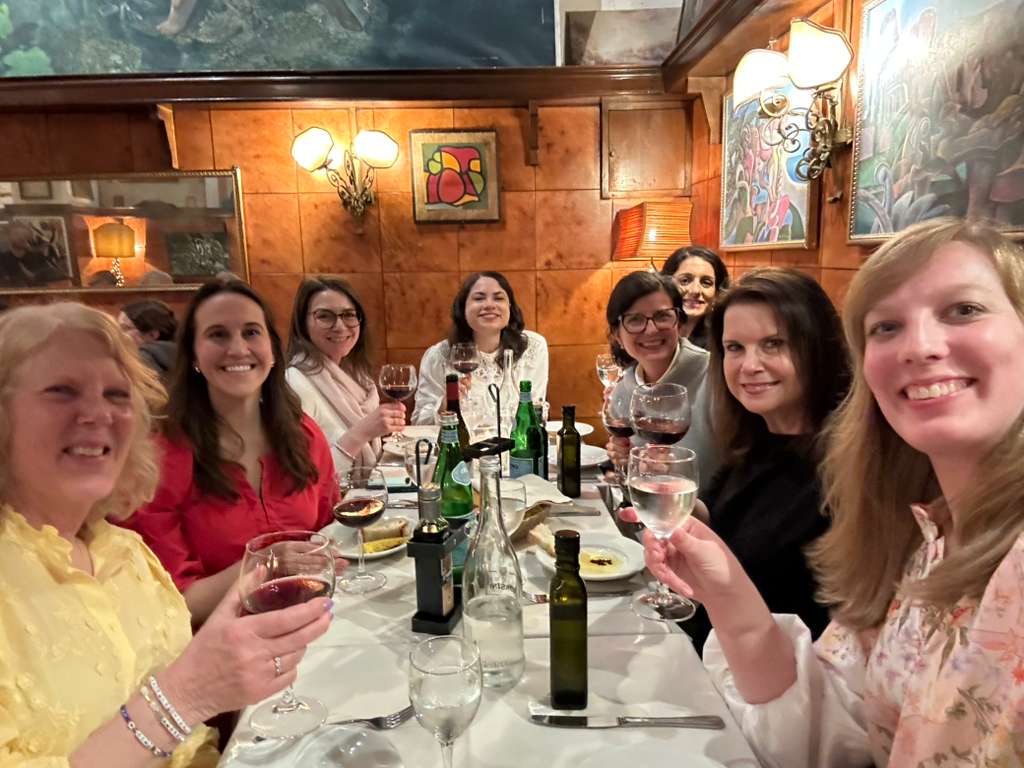
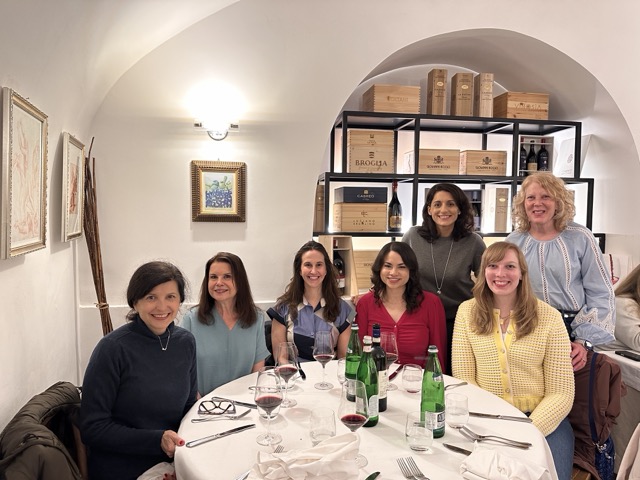
Here’s how I’d love to show you Rome. In the Forum, we’ll talk about who actually got to make decisions and what happened when they disagreed. In a restoration studio, we’ll watch people make a different kind of decision: what to touch and what to leave alone so a work of art can outlast them. And when the light starts moving across the rooftops, we’ll take our conversation up to the terrace and see where it goes over dinner.
I designed this weekend for those of you who’ve completed the Florence program. We’ll pick up where we left off, this time asking how we share leadership and what stays with people long after we’ve moved on.
Shall we become a little more Roman together?
Eternal Leadership
We’ll start with time: how it shapes the way we work together, how leadership changes hands, and what lasts after we’ve moved on.
Leading Virtual Teams
What has to go right when people work across time zones, distances, and disciplines? We’ll talk about what teams need to agree on when they can’t be in the same room.
Shared Leadership
We’ll design a piazza for our own teams: a place to come together, along with the habits and rules that make it possible for different people to lead.
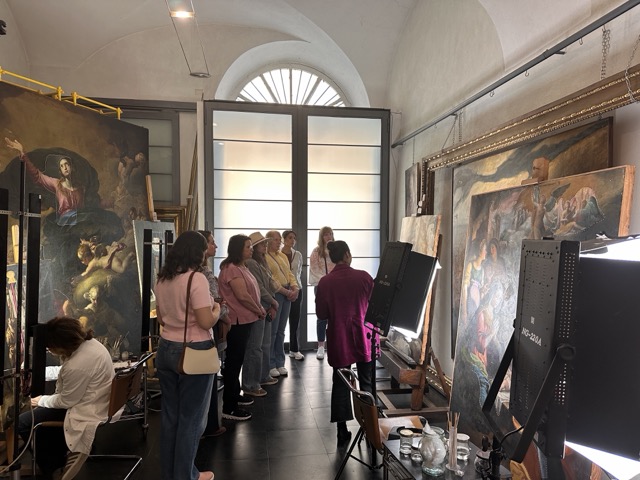
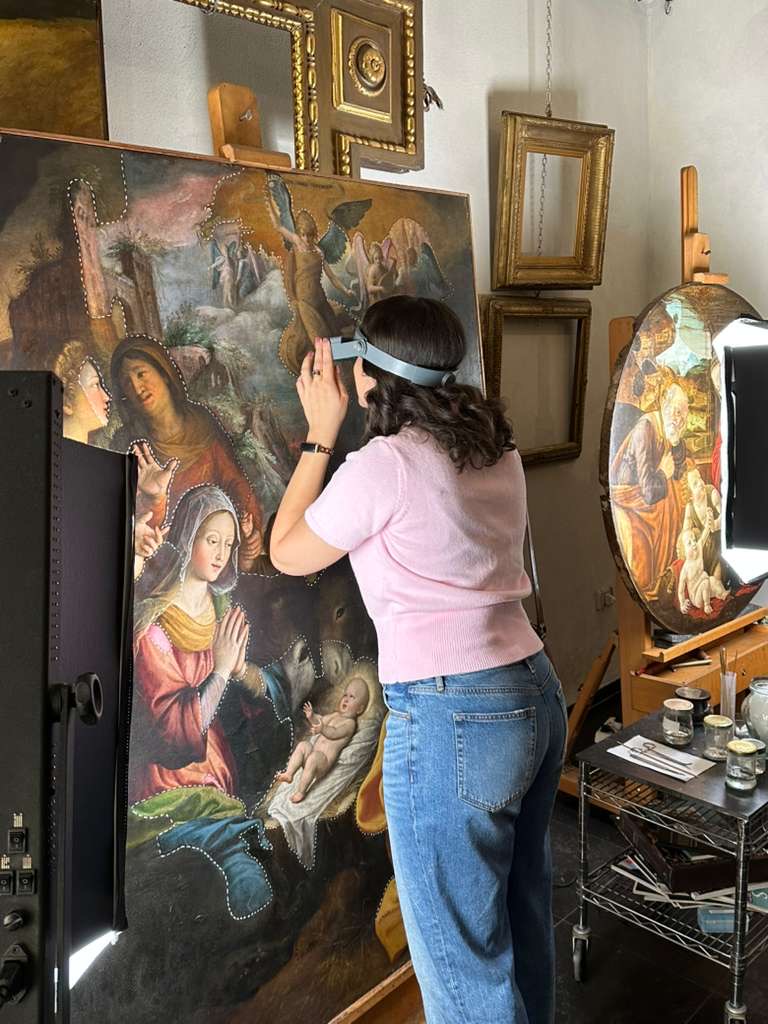
Inside an art restoration studio.
Meet the restorers and watch how they bring different skills to the same piece. Then try your hand at gilding.
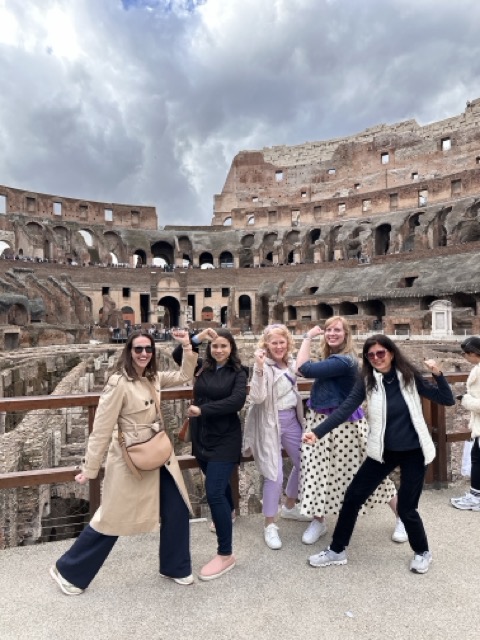
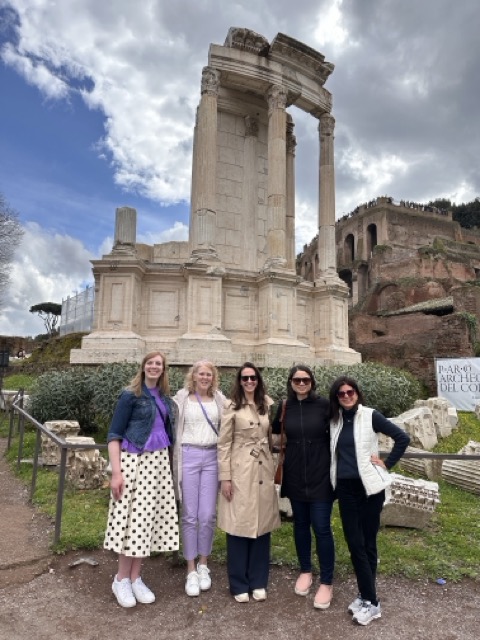
The Roman Forum and Colosseum.
Walk both sites with a historian of ancient Rome. At the Forum, we’ll look at where Romans gathered, who held power, and how the spaces they built shaped public life.
We’ll open the weekend on the roof terrace at Hotel de la Ville. Prosecco in hand, I’ll introduce the question that runs through Eternal Leadership: how does time shape the way we lead together and what we leave behind?
Over breakfast, we’ll talk about what has to go right when teams work across time zones. Then we’ll meet art restorers in their studio, watch them at work, and try our hand at gilding. After lunch and time on your own, we’ll pick up the conversation on the terrace at golden hour and carry it into dinner.
How do you create a piazza for your team, a place where others can step forward and lead? We’ll take that question to the Roman Forum and Colosseum with a historian. A proper Roman lunch, an afternoon on your own, and one last dinner together, with certificates and a conversation about what we’ll take home from Rome.
Breakfast and farewell.
*Program activities and site visits vary by year.
A Northwestern MSC professional education certificate.
Complete the program to earn the Eternal Leadership certificate. You’ll also leave with a practical idea for helping your team work across distance or making it easier for others to lead.
Rome is designed for current and past participants in Northwestern’s Florence program. You can continue on to Rome after Florence this March or return for the weekend if you’ve joined us in a previous year. Invited faculty and industry fellows are also welcome.
2027 program fee: $8,000 single room, or $5,200 per person in a shared room.
The fee includes:
Not included: airfare and travel to and from Rome, personal expenses, lunches, and private taxis.
Dates to know: Enrollment opens each September. For 2027, enrollment closes December 2. The program is capped at 15 participants, and places are confirmed in the order deposits are received. A $500 deposit holds your place and is non-refundable. Balance due February 1.
Questions? Email CommRetreat@northwestern.edu.